
Structural engineers in London since 2016
Structural engineers for London homes
Structural surveys for cracks and subsidence, mortgage and insurance reports, and calculations for wall removals and extensions. Clear answers from qualified engineers, with a written price before you go ahead.
- Qualified structural engineers on every inspection
- Usually 5 working days for your report, or 48 hours with fast track
- Your price in writing before you book

“Honest, professional and thorough.”
Projects completed2,7532,753
Established20162016
Reports written for lenders. We regularly prepare reports for buyers borrowing from major lenders, including Barclays, Santander and Nationwide.
Qualified engineers. Every inspection is carried out by one of our qualified structural engineers.
Local to West London. Our office is in Chiswick, and we inspect and design for homes across Greater London.
Fully insured. £1 million professional indemnity insurance for our inspections, reports and designs.
Structural inspections, reports and design
Start with what is happening at your property and pick the closest match. An engineer looks at your building and explains plainly what it needs, with the price in writing before we start.
-
 Inspection
Structural surveys for cracks and subsidence
Also called a structural inspection or subsidence survey: one visit, in which our engineer finds the likely cause and what to do next.
Find out more
Inspection
Structural surveys for cracks and subsidence
Also called a structural inspection or subsidence survey: one visit, in which our engineer finds the likely cause and what to do next.
Find out more
-
 Report
Mortgage structural reports
Your lender's valuer has flagged movement. We write the report they asked for.
Find out more
Report
Mortgage structural reports
Your lender's valuer has flagged movement. We write the report they asked for.
Find out more
-
 Report
Insurance structural reports
Your insurer wants a report, for a new policy, a renewal or a claim.
Find out more
Report
Insurance structural reports
Your insurer wants a report, for a new policy, a renewal or a claim.
Find out more
-
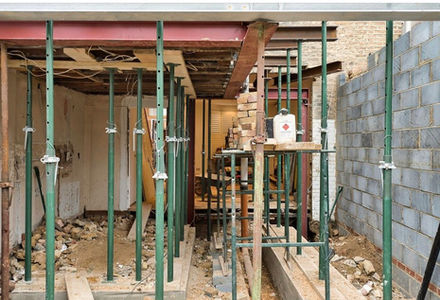 Design
Wall removal and alterations
Removing a wall or chimney breast? Beam calculations and drawings for Building Control.
Find out more
Design
Wall removal and alterations
Removing a wall or chimney breast? Beam calculations and drawings for Building Control.
Find out more
-
 Design
Extensions and loft conversions
Planning an extension or loft? Foundations, steelwork and roof design for Building Control.
Find out more
Design
Extensions and loft conversions
Planning an extension or loft? Foundations, steelwork and roof design for Building Control.
Find out more
-
 Inspection
Alterations with no Building Regs
A wall, chimney breast or extension done without approval? We check how it is performing.
Find out more
Inspection
Alterations with no Building Regs
A wall, chimney breast or extension done without approval? We check how it is performing.
Find out more

Not sure which inspection you need? Compare the Specific, General and Comprehensive inspections, or describe what you have noticed and we will recommend one.
How booking an inspection works
From first message to finished report, this is what to expect.
Tell us about your issues
Use the form or call us with your full address.
Get your quote and book
We reply with the right inspection, its price and dates.
An engineer visits
A visual inspection on a weekday, or a weekend for a small extra fee.
Receive your report
Usually within 5 working days (10 for a CGSI), or 48 hours with fast track.
Read our client guide before you book
What each inspection and design service includes and what it does not, the four inspection levels side by side, how to prepare for our engineer's visit, how booking and payment work, our fees and our terms, all in one place.
Engineers who take the time to look properly
We are not the cheapest firm in London, and we do not try to be. Our fees allow enough time for each property, so every report is written for your building rather than adapted from the last one.
- Qualified engineers. Every inspection is carried out by one of our qualified structural engineers.
- Plain English reports. What we found, how serious it appears and what to do next.
- Questions answered afterwards. For you, your lender, your insurer or your builder.
- Weekend visits. Saturday and Sunday inspections for a small extra fee.

Siavash
Senior Structural Engineer

Faranak
Senior Structural Engineer

Chris
Chartered Structural Engineer

Hedi
Designer
What clients say
Buyers, homeowners and leaseholders on working with us. Rated 4.6 out of 5 from 32 Google reviews. Read all our reviews on Google
I used Laytoe in August for a lender structural report. Siavash and the team were honest, professional and thorough. Siavash took the time to call us before finalising the report, explained the findings clearly and gave genuinely candid advice, which helped me make a very important decision with confidence.
We needed a general structural inspection survey done on a property we were purchasing. The survey was actioned quickly, the price was very fair and report was detailed and clear with specific actions recommended for next steps. Will certainly use again.
They provided a very professional and detailed report for my insurance purposes, and everything was handled efficiently and thoroughly. The report was clear, accurate, and well presented, which made the insurance process much easier for me.
Based in Chiswick, working across London
Our office is on Turnham Green Terrace in W4. We inspect and design for homes throughout Greater London, and we know its housing well: Victorian and Edwardian terraces, mansion blocks and converted flats, much of it built on shrinkable London Clay.
- Chiswick
- Acton
- Ealing
- Hammersmith
- Fulham
- Shepherd's Bush
- Kensington
- Chelsea
- Notting Hill
- Brentford
- Kew
- Richmond
- Twickenham
- Barnes
- Putney
- Wandsworth
- Battersea
- Clapham
- Wimbledon
- Hounslow